“By 2026, we’ll have cars fly!”
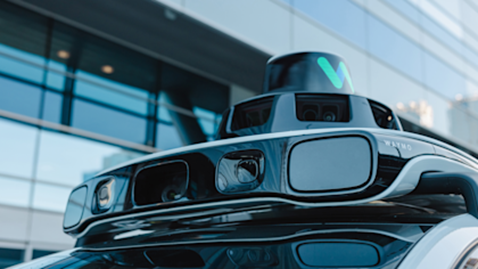
Now we know that thought was merely an optimistic dream, but what about the next best thing? Waymo, a self-driving taxi company, is leading the futuristic car craze.

Now, the big question: will Waymo come to the Greater Seattle Area and if so, when? In short, yes. Waymo had announced that the company would be launching in the area at some point, giving no further details or clarity. Citizens have spotted testing vehicles in Bellevue and Seattle, but many are reluctant to support the cause. One of the reasons behind that reluctance is that many Seattleites worry about the implications of Waymo on the economy, especially considering those who rely on rideshare income.

There is also uncertainty about AI cars. For example, Skyline junior Shruthi S. stated that “no, I would not use Waymo. While I do believe that technology is advancing, mistakes happen and the risk seems high. I would prefer to drive myself because I can trust my own judgment and previous experiences,” directly conflicting consumer sentiment with Waymo’s safety assurances about their cars being safer.
So, is Waymo a safe method of transportation that needs more time to refine itself, or is it a threat to real working people? Opinions vary, so you’ll have to decide for yourself. Here are the two main arguments:
Pros: Waymo has stated that their cars are up to 90% safer (with less accidents) than human-driven cars. The lack of human errors ensures better safety, and Waymo technology is only improving. Additionally, it is convenient. Artificial intelligence can operate the cars at a constant rate throughout the day. While humans need time to rest and live their lives, an artificially intelligent car is always available. Skyline freshman Saarthak B. says that “[he’d] be comfortable in an autonomous AI car, but not yet. The technology needs to get better and be tested more.”
Cons: Waymo is a sign of a growing trend within the world where working class people are being fired for the sake of cutting expenses. Labor is expensive, and Waymo is providing a service which essentially completely bypasses the human element. It’s likely that, as Waymo improves, traditional rideshare services will be undercut in prices and forced to lay off workers due to lack of demand. This would be devastating to the American population which relies heavily on rideshare as income to live off on. Many believe Waymo will hurt everyday Americans.

Ultimately, there are two valid sides to the issue of artificially intelligent cars. With Waymo likely soon coming to Seattle, it’s important to question yourself and your ideals: where do you fall?
For more information:
Waymo
Seattle rideshare drivers, union advocates rally against driverless taxi service