Service dogs perform an essential function in helping individuals with disabilities, providing support that improves quality of life. These dogs undergo training that is personalized to suit the needs of their handler, which may include a variety of responsibilities. Service dogs build a trustworthy and skillful relationship with their owner in order to act as a helper, a member of the public society, and a friend.
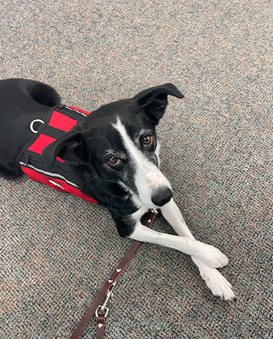
Skyline student Ava Miller and her service dog, Abbott, have acted as a team through her years of school and daily life. Abbott first came into Ava’s life through an organization called CARES, located in Kansas, which works to match and train people with service dogs. By sixth grade, Abbott and Ava had been matched by CARES and had begun training together. This involved many tests to pass public access training, teaching commands, and learning how to navigate public spaces with a dog. Abbott’s job is to alert Ava to high and low blood sugars, which she will do by jumping into Ava’s lap and licking her hands. On top of this, Abbott serves as a friendly face and a source of mental support for Ava throughout her day.
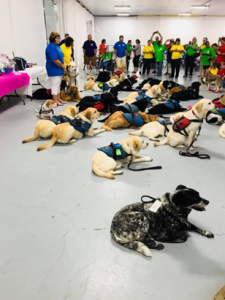
Ava reflects that having a service dog requires some adjustments in social settings because of the added attention a dog attracts, but also says that the experience of having Abbott has been overall very positive. She urges anyone curious about service dogs “to not be afraid to ask questions, as most people with service dogs are happy to talk about it.”
Ava advises anyone in need considering getting a service dog to pursue it. Service dogs can provide assistance with a wide range of needs, including mobility support, medical alerts, hearing impairment, psychiatric support, and more. For many people, service dogs offer an amazing source of help, independence, and friendship.
For more information: