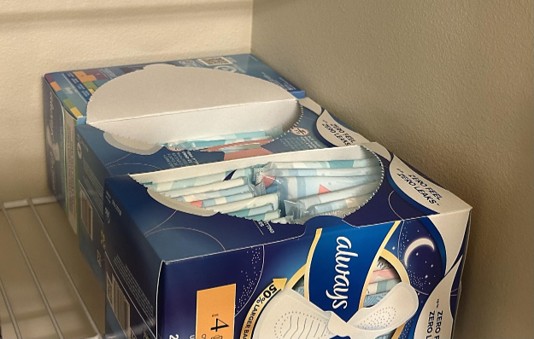
Every month, two billion people menstruate and need menstrual products to manage their period. These period products are often subject to “luxury” prices when, in reality, they represent the only means to maintain menstrual health and hygiene for a population of two billion.
Nearly one in four adults in the United States struggles to afford period products at any point in their lives. While the U.S.’s Supplemental Nutrition Assistance Program (SNAP) benefits nearly 22 million American households by helping them buy groceries, it does nothing to alleviate the financial burden of hygiene products.
On average, a single person can expect to spend over $150 a year on period products. “My family spends about 30 dollars on period products every month,” Skyline freshman Caitlin S. estimates.
This motivates some to overuse products or turn to unsanitary alternatives such as used cloths, promoting detrimental hygiene habits as a temporary solution. When continued over extended intervals, these habits create an internal environment ideal for harmful bacteria to breed.
Despite its impact, period poverty isn’t an issue that is commonly discussed due to the overall lack of awareness and education surrounding it. “I just know that it’s cyclical and it’s annoying for the people who have them,” said junior Tyler L.
Many public facilities, including Skyline High School, have already taken the first steps by implementing free period products in our restrooms. While period poverty can hardly be tackled by a single person or group, it’s important to take the first step to action by raising awareness amongst peers and taking the initiative to gain understanding.
For more information:
Period Poverty – why millions of girls and women cannot afford their periods