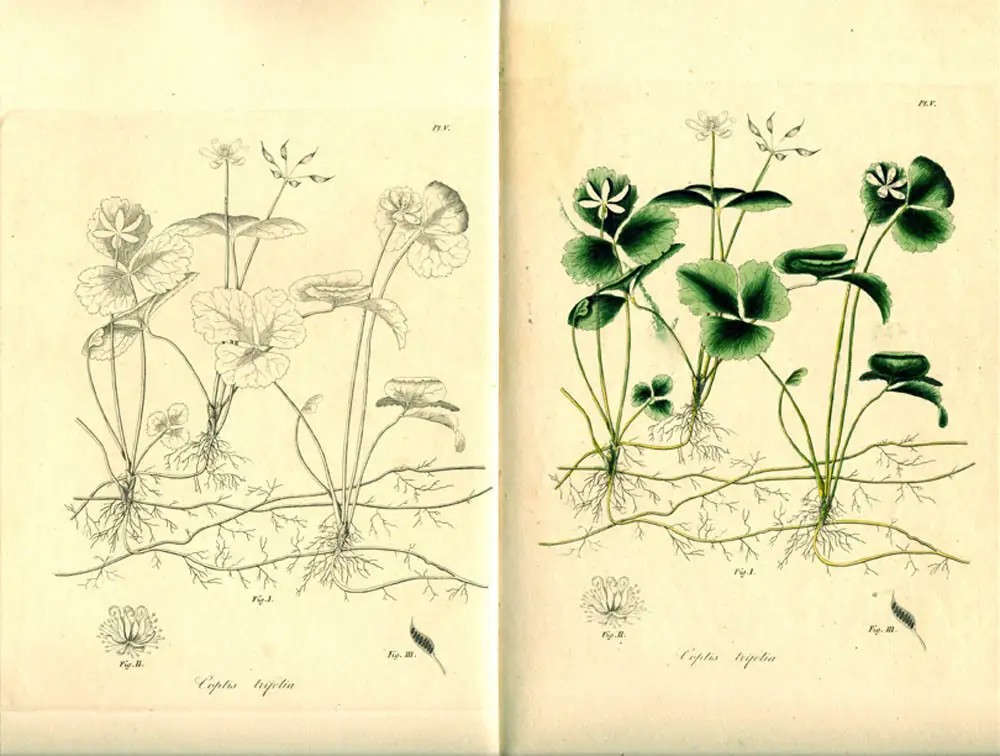
The modern medicines that we use today aren’t all chemicals. 40% of medicines in the United States are derived from plants that have been used for centuries to cure illnesses.
The Chinese and Egyptians dabbled in herbs and their effects, with the Egyptians writing their findings on the walls of temples and papyrus. Hippocrates, a Greek known as the “Father of Medicine,” compartmentalized herbs into texture, smell, and temperature. In 60 A.D., Dioscorides, another Greek, created a five-volume book on the preparation of 1000 drugs using 500 plants.
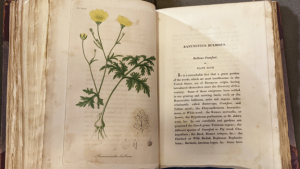
The discovery of medicinal botany did not stop there. Thousands of miles away in South Asia, the practice of Ayurvedic medicine was being developed. An Arabic botanist named Abdullah Ben Ahmad Al Bitar crafted two books on herbs, one explaining the work of Dioscorides and one a glossary of known drugs and foods.
According to the National Library of Medicine, “The Arabs introduced numerous new plants in pharmacotherapy, mostly from India, a country they used to have trade relations with.”
As time went on, priests in the Middle Ages from Europe used herbs to cure illnesses caused by an imbalance in the four humors, a medieval belief that the body functions on the balance of blood, phlegm, yellow bile and black bile.
In 1803, German pharmacist Frederich Serturner discovered how to extract white crystals from crude opium poppy, which signified the first isolation of drugs from a plant. This isolation resulted in the powerful opioid painkiller morphine, which is commonly used today for cancer pain, surgery, and pain management.
While the world of medicine has evolved to incorporate different materials, it originated from organic matter all around us, herbs, plants, and nature.
For more information: