Ground cinnamon from Haetae. Vanilla ice cream from Publix.
These are a couple of examples of food recalls that have happened within the last month. Just visiting the Food and Drug Administration (FDA) site for recalls provides an overwhelming list of food that is no longer fit to be sold for reasons ranging from possible salmonella to lead poisoning.
The FDA utilizes “whole genome sequencing” to track down the origin of infected food from organisms like Salmonella as if they were detectives. They usually follow a seven-step process to get to the bottom of where the infection is coming from: detection, definition, generation of hypotheses, testing of hypotheses, confirmation, stopping the outbreak and deciding if the outbreak is over. Food recalls are only enforced when they reach the sixth stage: stopping the outbreak.
Unfortunately, even with so much testing and attempts to stop unsafe food from staying on the market, it can be difficult to know if dangerous food is still being sold. This means that sometimes it is up to the customer to make sure the food they are consuming is safer than when they bought it.
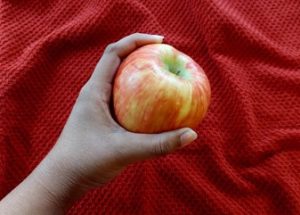
Isha Goel, a Skyline junior, said, “I should probably think about [the safety of my food] more, but I only really think about it when I’m at a restaurant or somewhere new”. Prisha Bansal, another junior, disagreed. She said, “I think about it a lot [for fresh produce] because they tend to go bad quicker. But for processed food, I don’t.”
As a blanket rule, it is recommended that people wash their produce, store it in cold environments and separate food when cutting it to avoid contamination.
For more information:
What Does the FDA Regulate (FDA)
The Food and Drug Administration: The Continued History of Drug Advertising (Cornell)
Yes, the Amount of Food Recalls has Been Rising. Here’s What you Need to Know (NPR)
Recalls, Market withdrawals, and Safety alerts (FDA)
Steps in a Multistate Foodborne Outbreak Investigation (CDC)