Living in the Pacific Northwest, gloomy days of dark skies and constant drizzle aren’t unfamiliar to Skyline students. This makes residents of Sammamish and the surrounding areas especially prone to seasonal depression.
Seasonal depression, formally known as Seasonal Affective Disorder or SAD, is a type of depression related to changes in seasons. People who have SAD usually have it at the same time every year, generally in the fall and winter. It is possible, but very uncommon, to experience SAD in the spring and summer months.
This is because sunlight exposure stimulates the hypothalamus, a region of the brain that regulates the body’s internal clock, also known as the circadian rhythm. Lack of sunlight, which accompanies most days in Sammamish after daylight savings starts, can throw off the circadian rhythm, which causes your brain to provide a surplus of melatonin, which is a sleep hormone, and less serotonin. This imbalance of chemicals can make you feel depressed and low.
Symptoms of SAD also include losing interest in activities previously enjoyed, oversleeping, overeating, having difficulty concentrating, and feeling hopeless.
People who live in northern states tend to suffer more from SAD. A 2022 poll by PEMCO Insurance found that 59% of responders from Washington State experience symptoms of SAD.
Nevertheless, many people don’t know that they have the disorder. This is partly because SAD can be very hard to diagnose. Diagnosis may include a physical exam, lab tests, and a psychological examination. Many other mental health conditions share symptoms with SAD, which makes it hard for medical professionals to diagnose.
For those with seasonal depression, it can be difficult to get up in the morning and get homework done in the evening when it’s constantly gloomy outside. Skyline student Apurva S. said, “After school, it gets dark quickly and it affects my ability to get things done after school. Going outside in the winter makes me feel depressed.”
Some Skyline students aren’t as affected by the weather. Kingsley N. says that “I’m overall a happy guy. I don’t care about the seasons very much so it doesn’t really affect me.”
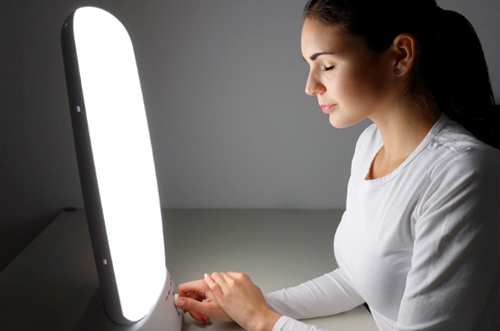
Treatments for SAD include light therapy, psychotherapy, and medications. SAD often negatively affects students’ personal and academic lives, so it’s important to be aware of the symptoms that you may have and be open to different treatment options.
For more information:
Seasonal Affective Disorder and Light Therapy: Does it Work?
Seasonal Affective Disorder (SAD)
Shining a Light on Seasonal Depression
You Don’t Have to Suffer with Seasonal Depression- Tackling SAD