Most people have had the distressing experience of going to the doctor’s and getting the dreaded flu shot. It hurts when you get it, it hurts after, and you end up feeling a little sick for the next few days. What you may not know is how vaccines really work, and why they remain important for your body’s wellbeing.
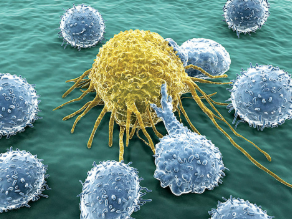
Vaccines work by imitating the presence of a disease. They contain something called an antigen, which is a less intense bacteria or virus. After they enter the bloodstream, the body creates antibodies, which are secreted from white blood cells. Then, the white blood cells recognize the foreign pathogen and work to fight against it.
This is why it is common to feel slightly sick after a dose of a vaccination – the body is getting assimilated with the pathogen. Then, when the body is exposed to a real disease, the immune system already has a response to it, making the body less vulnerable to illness.
It is essential to make sure you are up to date on all your vaccinations because it is beneficial for your health, and you are less likely to spread the illness to those around you. Maddy M., a Skyline junior, said, “Getting a vaccination is not just a personal decision; your choice positively impacts those around you.“ Her stance is backed by a scientific principle called Herd Immunity: if a large group of people are vaccinated, it helps people who aren’t immune to the disease. If you get a vaccine, you could prevent other people from getting sick as well.
Some vaccines require a booster shot because, in some cases, the antibodies your body creates may diminish, leaving the immune system unprotected. Booster shots also re-engage memory cells, prompting more antibody production. It’s important to ensure you are up to date with all your vaccinations, as that decision doesn’t just impact you; it also impacts your loved ones and the people you surround yourself with.
For more information: