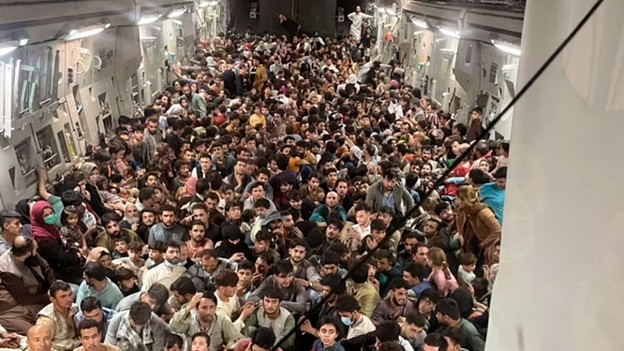
Through the 20 years of the United States’ intervention in Afghanistan, it has spent more than $2 trillion, with a portion of it going to private companies contracted by the government.
Governments often frame wars for security or defense, but hidden beneficiaries often receive far less scrutiny. The unregulated use of billions of dollars of taxpayer money raises questions about transparency, accountability, and morality.
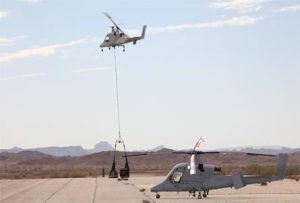
The biggest defense contractor of the United States, Lockheed Martin, held around $61.4 billion of government contracts in the fiscal year of 2023. Approximately 70% of the company’s total revenue came from being a government contractor. The company helped the United States massively in its war in Afghanistan, providing aircraft such as the C-130 Hercules, which carried supplies to the country.
As a result, Lockheed Martin profited greatly from the ongoing conflict; this is reflected in proxy statements that outline the compensation received by Robert J. Stevens, Lockheed Martin’s CEO from 2004 to 2013. In 1998, before the conflict in Afghanistan, Stevens’ predecessor, Vance D. Coffman, brought in $2.34 million, salary and bonus included. In 2005, Stevens received $4.5 million in annual compensation; however, as the war picked up pace and with the United States’ increased presence and number of military personnel in the country, his compensation increased to a staggering $18.6 million. This almost doubled again in 2007, rising to $30.9 million in total compensation.
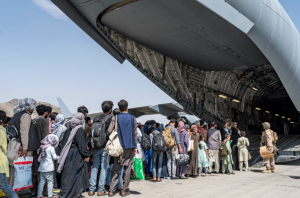
During the evacuation of Kabul in August of 2021, as US and NATO troops withdrew from Afghanistan, and many foreign nationals and vulnerable Afghan nationals were airlifted out, former Navy SEAL Erik Prince, who is also the founder of the private military contractor Blackwater, offered to charge $6,500 per seat for chartered flights out of Kabul.
This proposal was highly controversial, with former White House Press Secretary Jen Psaki saying on August 25, 2021, “I don’t think any human being who has a heart and soul would support efforts to profit off of people’s agony and pain as they’re trying to depart a country and fearing for their lives.”
Blackwater’s involvement as a war-for-profit business has a history of being controversial. In 2007, Blackwater contractors were convicted of perpetrating the Nisour Square Massacre while contracted by the US government to provide security services in Iraq, where 17 people died.
This is also an issue at home, as members of the United States Congress are allowed to buy and sell individual stocks. They receive non-public briefings, vote on war funding, and influence defense budgets, raising questions on morality. Based on 2023 disclosures, at least 50 congress members or members in their household hold stock in defense contractor companies. This spreads across both political parties. Skyline sophomore Faiyad I. said, “It takes the integrity of democracy away, it feels like we’re going in the wrong direction, it is disturbing that a few people that have been given an opportunity are taking advantage of their positions to exploit our country.”
For more information:
Lockheed Martin Contracts 2024
Proxy Statement 2000 Lockheed Martin
Proxy Statement 2006 Lockheed Martin
Proxy Statement 2008 Lockheed Martin
FBI agents question Afghan rescue groups
Blackwater founder Erik Prince wants to charge $6,500 per seat on a chartered evacuation flight out of Kabul
U.S. Contractor Banned by Iraq Over Shootings
Here Are the Members of Congress Invested in War