Semester one finals ended a few weeks ago, with students navigating through a variety of testing forms. Although some of Skyline may prefer certain formats such as Socratic Seminars, others may view the drawbacks as outweighing the benefits.
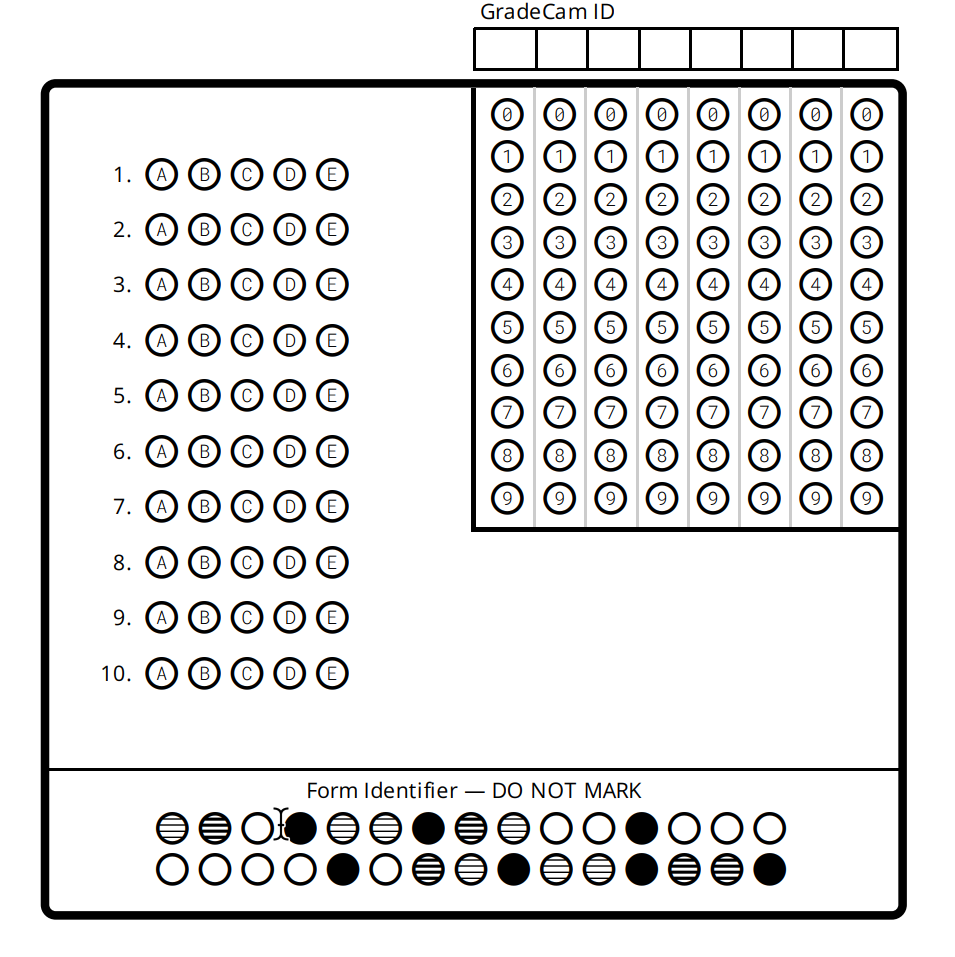
The multiple-choice exam is the most widely used testing format preferred for its objectivity and directness in both creation by teachers and completion by students. This form eliminates any possible bias, providing quick and automatic score feedback, unlike other forms that require a teacher to spend lengthy time grading.
One Skyline student, H.S., prefers to test in “[multiple-choice] question type as there is no bias when grading.”
However, this format poses an issue, namely that students are able to randomly guess questions, leading to scores that don’t properly reflect their true understanding of taught material.
Skyline physics teacher, Ms. Utku, voiced her concerns that although multiple choice exams are “efficient for teachers,” they “do not always measure deep understanding and can encourage memorization rather than critical thinking.”
Skyline student N.M. echoes this point: “[multiple choice] sometimes doesn’t require a more in depth understanding to answer.”
H.S. also voices their concerns. “[Multiple choice does not] measure critical thinking or student of the topic that well.”
Another common form of testing, mostly found in Humanities classes, is the Socratic Seminar, usually referred to as a Soc Sem. These entail relatively small group discussions around certain provided prompts.
H.S. finds Soc Sems “really good for discussions and expression of student analytics of a certain topic.”
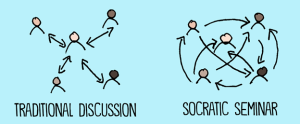
Soc Sems allow students to openly express their thoughts and reduce the need to limit themselves as they would have to in a multiple-choice exam. Still, Socratic Seminars can pose more of a struggle for some by inducing stress for students with social anxiety, or even just those who find it difficult to speak in front of an audience.
N.M. stated the drawback with Soc Sems is that some students tend to “speak more than others, putting them at an advantage.”

Another assessment form mainly seen in Humanities is the written essay, where students, given a prompt, must create a full essay in a given amount of time. However, this allows for possible unintentional subjectivity since essays cannot be perfectly objectively graded. In addition, essays are notoriously time-consuming to grade, which pushes back score releases.
H.S. says that with essay grading, although “[essays] include creativity and expression of level of analysis,” the drawbacks of possible bias in grading outweigh these benefits.
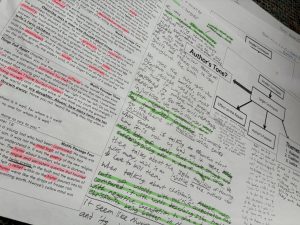
Finally, there are projects that often include presentations. These take place not over a limited period of time, but rather over multiple weeks, taking much more time to organize, plan and create, while also tending to incorporate creative aspects.
Skyline Graphic Design teacher Mr. Hendricks stated that his “project-based assessments are mostly open-note and guides are provided.” Hendricks believes that although it would be beneficial for students to “memorize the skills and processes involved in projects, … in the real world, there are many resources for professionals to reference as they build.”
N.M. finds the ideal testing format to vary “on the class,” stating that they believe “essays or soc sems are best suited for language arts and multiple-choice questions mixed with written responses are best for math.”
Each assessment format has its own benefits and drawbacks, there is no singular perfect form. In addition, preferences often vary between students and teachers. Whether you prefer bubble sheet exams, Socratic Seminars, or any other format, remember that although some students or teachers may agree, others may have subjective preferences that differ.