On January 3, 2026, the United States launched a sudden military operation in Venezuela. U.S. special forces entered Caracas, Venezuela’s capital as explosions and air-raid sirens lit up the city.
During the operation, Venezuelan president Nicolas Maduro and his wife Cilia Flores were apprehended by U.S. forces and transported to New York to face U.S. federal charges related to narcotics trafficking and corruption.
America conducted the operation for three reasons: to take Maduro, a claimed authoritarian dictator, out of power, to stop an alleged flow of Venezuelan drugs – specifically cocaine – into the U.S., and to revitalize Venezuela’s dormant oil industry. Of these objectives, the effort to revive Venezuela’s oil sector may prove the most consequential for the global economy.
Trump’s plan for Venezuelan oil consists of closing off all of Venezuela to foreign countries, halting foreign country operations settled in Venezuela. Trump said he will also partner with U.S. oil giants such as ExxonMobil and Chevron, who will pour upwards of 120 billion into repairing Venezuela’s crumbling oil infrastructure.
However, with no word from the two companies, experts expect this plan to face major hurdles. Chevron, the only American company with dedicated operations in Venezuela, has declined to speak on future investments in the country, stating that they prioritize safety of their employees and existing assets and the full compliance with all laws and regulations.
Venezuela’s oil production facilities have become extremely inefficient and outdated due to a lack of investment and years of neglect, both domestic and foreign. The amount of money and time needed to repair the existing machines is unrealistic within the given timeframe, projected to take several years or even decades to make the venture profitable.
Currently, Venezuela produces one million barrels per day, equating to only around 0.8% of the world’s output. Meanwhile, the country holds 303 billion barrels of reserves, the world’s largest. “Despite a vast legacy infrastructure, the lack of project developments across the oil value chain is plain evidence of the lackluster state of the industry,” explained Paul Hasselbrinck, a Senior Energy Analyst at GlobalData, on the nature of the decline.
U.S. sanctions on Venezuelan oil started in 2017, growing tighter until January 2019 when a full oil embargo was placed on Venezuela. The sanctions also restricted Venezuelan access to modern and Western technology, leading to the decay of the industry as a whole. As such, Venezuela was forced to lean on other countries such as India and China, which are being cut from Venezuela at Trump’s discretion.
Recently, Chevron gained a license and began operations in Venezuela. With a limited 200,000 barrels per day production, however, the venture has not been particularly profitable.
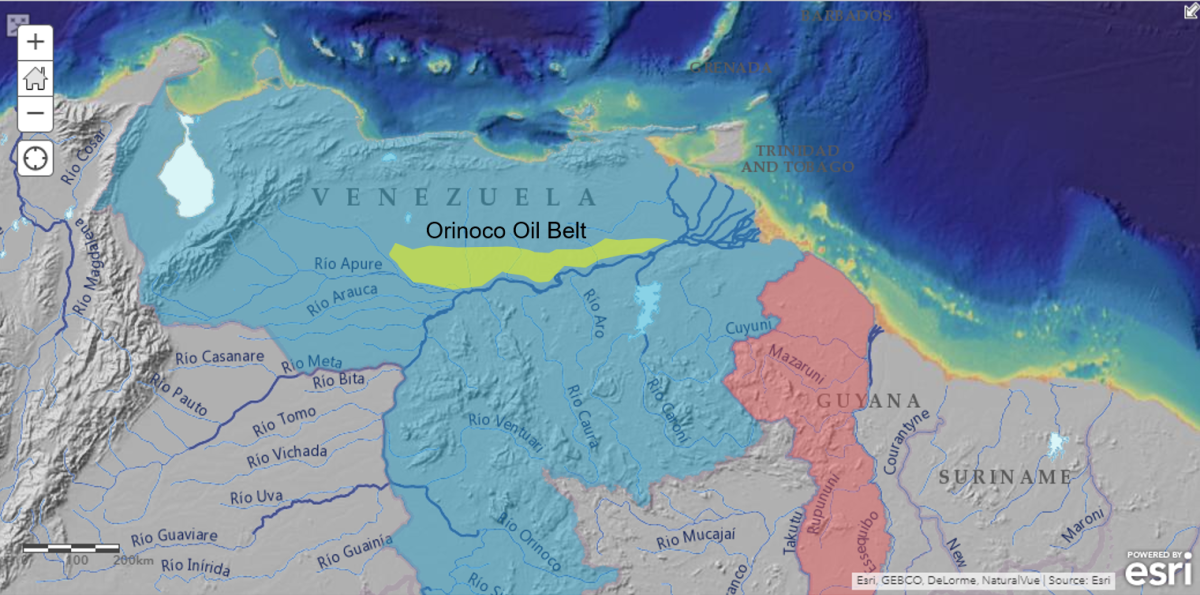
The oil Venezuela contains is also not ideal for generating a profit. The sour crude oil located in the Orinoco Belt, the country’s largest oil field, is more expensive to produce and yields lower profits. However, a projected two-thirds of the U.S. ‘s refining is optimized for heavy crude, said Hasselbrinck. The costs to import the refining machines and lower profits pose great questions about the future of this venture.
The overall outlook for Trump’s Venezuela plan is bleak. Decayed infrastructure, lack of investment, U.S. sanctions, and the challenge of heavy, sour crude all point in the same direction. The hesitancy of oil companies to start new projects there indicates profitability concerns.
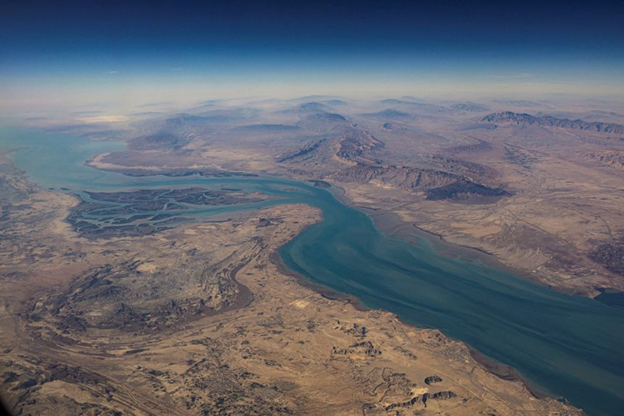
This situation is comparable to another well-known U.S. intervention: Iraq in 2003. In both cases, oil played a major role, as each country was producing far below its potential and held large reserves that were strategically important.
However, there are key differences. In Iraq, oil was not the primary reason for intervention. The United States also aimed to remove Saddam Hussein and his regime, which it viewed as a major threat to stability in the middle east. That intervention was carried out with the support of key allies in Europe.
In contrast, U.S. involvement in Venezuela has been far more detached, with decisions driven largely by the U.S. executive branch and far less visible international backing, making markets more cautious about the stability and long-term value of Venezuelan oil.
The degree of U.S. control also differs sharply. In Iraq, the U.S. used direct control through military occupation, whereas in Venezuela the U.S. exerts only indirect influence through sanctions, licenses, diplomatic pressure, and threats.
Finally, while Iraq’s infrastructure was damaged by war but mostly repairable, Venezuela’s oil infrastructure has suffered long-term deterioration, a factor that weighs heavily on investor confidence.
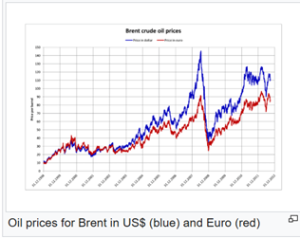
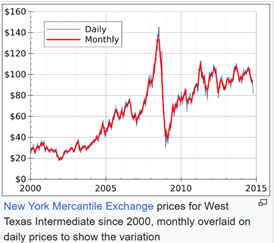
In Iraq’s case, oil prices spiked amid news of a U.S. invasion, with investors assuming oil was going to be at a premium due to war risks in the coming years. Through the war years, the price climbed from under $25 per barrel before the war to almost $150 in mid 2008. However, in the coming months, oil fell sharply, dropping to under $100 per barrel. Prices climbed once again until 2013, where oil fell to under the $100 mark once again and sits there currently.
In Venezuela, despite the enormous reserves in the Orinoco Belt, oil prices are unlikely to spike as dramatically as some projections suggest. Two scenarios seem most likely: either initial panic drives a temporary price surge similar to Iraq, or markets remain skeptical and prices rise only a bit.
In either case, the outcomes reach the same endpoint due to the operational challenges of refining complexity, infrastructure decay, and potential nationalist resistance. These issues will ultimately lower any sustained price increases, leaving oil where it is now or just a little higher. While Venezuela’s oil potential appears substantial on paper, the barriers to extraction and export are too significant to justify much optimism for the future of oil price.
For more information:
Trump says the U.S. will fix Venezuela’s oil industry. Texas experts say the idea faces hurdles
Venezuela Oil & Gas: Reserves, Infrastructure Challenges, and the Road to Recovery
World oil market chronology from 2003
Economy of Iraq
The 50th Anniversary of the first official summarized evaluation and publication of the Orinoco Oil Belt