As the countdown towards the 2026 midterms begins, the Republican Party’s government trifecta faces an existential test: Donald Trump’s approval rating has been steadily falling since the start of his presidency, reaching a low of 37% in late April1. The party itself has followed a similar path. Republicans are projected to lose seats, potentially signaling an end to their governance.
To counteract this, in November 2025, the Republican-held state of Texas began redrawing electoral districts at Trump’s behest to grant the party up to five additional House seats.
In retaliation, California redrew its own map to grant five seats to the Democrats, kicking off a chain reaction of redistricting in Florida and North Carolina, among others. Overall, a projected nine seats for the Republican Party have been netted as of this writing, though several other states are in the middle of this process.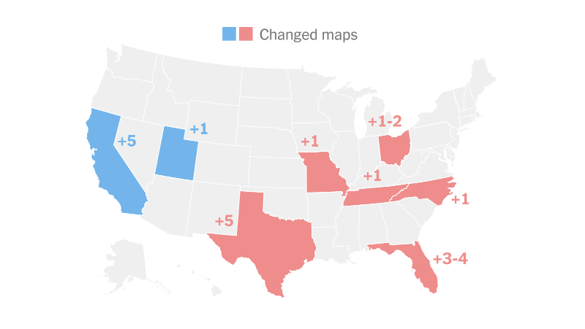
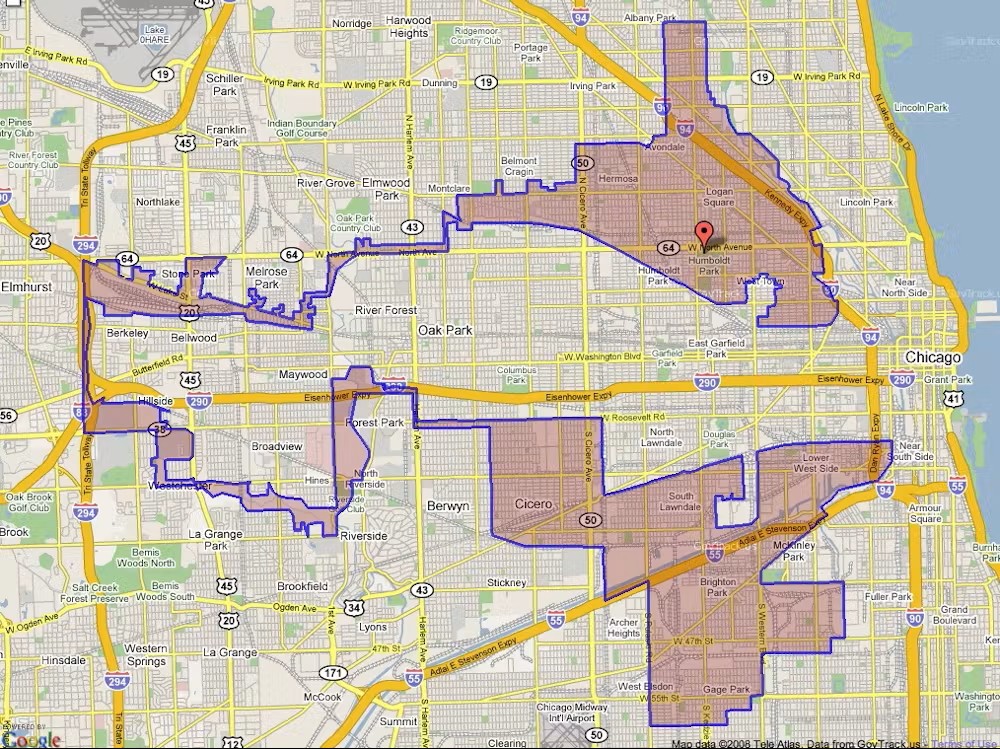
Since the establishment of America’s first system of electoral districts, politicians and state governments have drawn their boundaries to benefit them politically, a tradition known as gerrymandering.
Areas where one population would normally be a majority are broken up between districts so the previous majority is outnumbered by the redistricters’ preferred group in most or all districts.
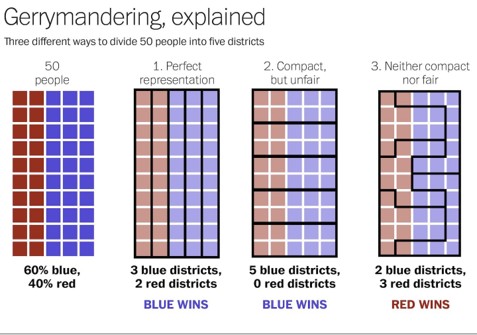
Historically, politicians have gerrymandered to reduce the voting power of minorities by minimizing the number of districts where they form a majority of the voting population or segregating them into a single district. Now, due to increased partisanship, this is also being done in a way to reduce the number of districts where the opposing party has a chance to win.
The process of redistricting itself is one that is meant to happen regularly at every census. However, this current battle is happening mid-cycle, having bucked all previous trends, and has likely set a dangerous precedent for this to happen again in future election seasons.
This partisan redistricting has been upheld in state and federal courts. Only efforts in Virginia were denied due to a technicality, leaving Americans worried that future elections will be decided by district majorities, not by all citizens’ votes.
For more information: