On February 28, 2026, the United States and Israel launched surprise strikes on Iran. Iran retaliated by bombing Israel. However, the most notable of Iran’s strikes were those on Dubai, UAE, a neutral country. These were a small portion of the missiles Iran launched into various Middle Eastern states, with attacks recorded on the UAE as well as Saudi Arabia, Kuwait, Qatar, Bahrain, and Cyprus, and others. These nations have neither entered the war nor retaliated themselves, which raises the question of why neutral countries often face attacks in modern wars.
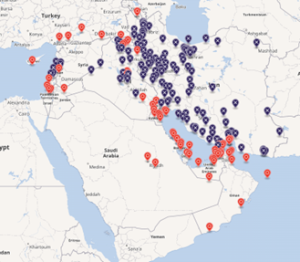
The primary reason for many of these Iranian attacks is the presence of American military bases and installations in these countries. These have been a major aspect of American foreign policy since the Cold War and especially through recent Middle Eastern conflicts, being used as staging grounds for American military strikes and operations in the region. Official Iranian sources have named this as justification for their strikes and denounced the host nations for supporting the US and Israel in their bombings. These serve to weaken the American presence in the region by way of both its bases and allies.
This exemplifies a theory that the United States Special Operations Command first referred to as the ‘Grey-Zone.’ A post-Cold War evolution of warfare in which, rather than engaging in direct armed conflict, conflicting countries will undermine each other in more indirect ways. This may include either espionage or sabotage, but more often is done by focusing attacks on a nation’s allies to weaken its international presence, much as Iran is currently doing.
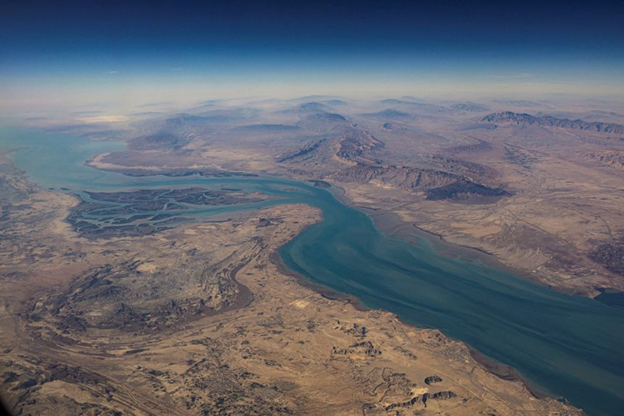
Another key aspect of the ‘Grey-Zone’ is undermining an enemy’s economy, whether that be by directly attacking aspects of it or indirectly damaging the supply chain behind it. Iran has applied this to great effect in its blockade of the Strait of Hormuz, as well as by its attacks on oil installations throughout the Middle East. The destruction of the very oil reserves that the US imports from has driven up oil prices and placed pressure on the Pentagon, as much of the American economy rests on oil prices.
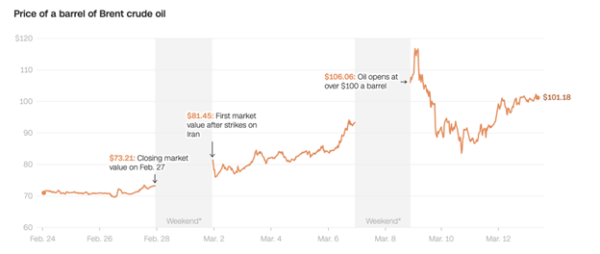
Still, the blockade of Hormuz has been a much greater pressure placed by Iran, as the blockade has driven up global oil prices from 73 to 101 dollars in the largest oil market disruption in history, which has hurt the American economy without Iran ever touching American soil.
For more information:
This is the biggest oil disruption in history
Tehran claims the U.S. attacked it from the UAE as Iran war enters its third week PBS
Why the United Arab Emirates is a target for Iran’s aggression