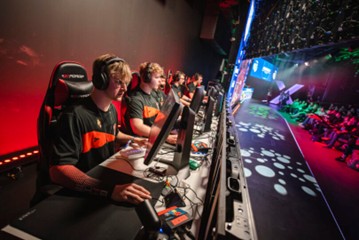
Watching someone sit in a chair for multiple hours is not typically what you imagine when you’re asked to think of a sport, but it is for many people. In the world of professional gaming, or esports, as defined by competitive tournaments, attention to the term has grown by a staggering 258% since the COVID-19 pandemic, leading many to conclude that esports are not a sport.
Esports is the official name for competitive video gaming, in which players can either elect to play their games solo or on a team. In a similar manner to traditional sports, those in esports face off in tournaments with multiple rounds for large amounts of prize money. Most professional teams also have their own coaches, analysts, and managers to assist in the competition process to take away added stress from players like those in other sports.
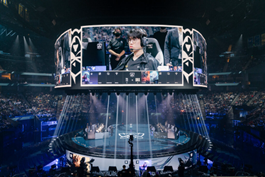
Over the years, however, many have brought this discussion to the table and pointed out that esports cannot be classified as one. Skyline student Akshaya Mandadi reflects this sentiment, commenting, “No, they are not sports due to not being physical.” This reason is often the one individuals go to when thinking about what classifies a sport, painting a mental picture of physical exertion. The opposite nature of esports, where people sit in chairs for prolonged periods, compares poorly to that of someone running or boxing. Usually, the most demanding movements they execute are ensuring they are moving their fingers fast enough.
Queenie Lee, a junior at Skyline, shares the same idea that sports should be anything that involves you to be physically active, but also adds, “They are their own category.” While they do not demand the same of the human body as other sports do, esports often require the same teamwork, extensive planning, and precision. This overlap in characteristics is enough for some people to link esports and sports, even if it is a small connection to make.
In our modern day where it is impossible to disregard the impact the gaming industry has had as a form of entertainment, many are still hesitant to deem its competitive counterpart as a true sport. While one may acknowledge that it shares some similarities with traditional sports, shared aspects like precision and strategic planning could also be applied to other activities like playing a musical instrument. The absence of physical strain or even movement outside of sitting on a chair and twiddling thumbs makes it difficult to place esports on the same level as volleyball or baseball, for example. They are not the same, but they do not need to be. Competitive gaming can remain significant without having to be deemed a sport – something that many fail to recognize.
For more information:
What are esports? An overview for non-fans
The Esports World Is Starting to Teeter
British Esports and WorldSkills UK to show next generation of esports
Esports in colleges is rapid growth in provision fair game for criticism